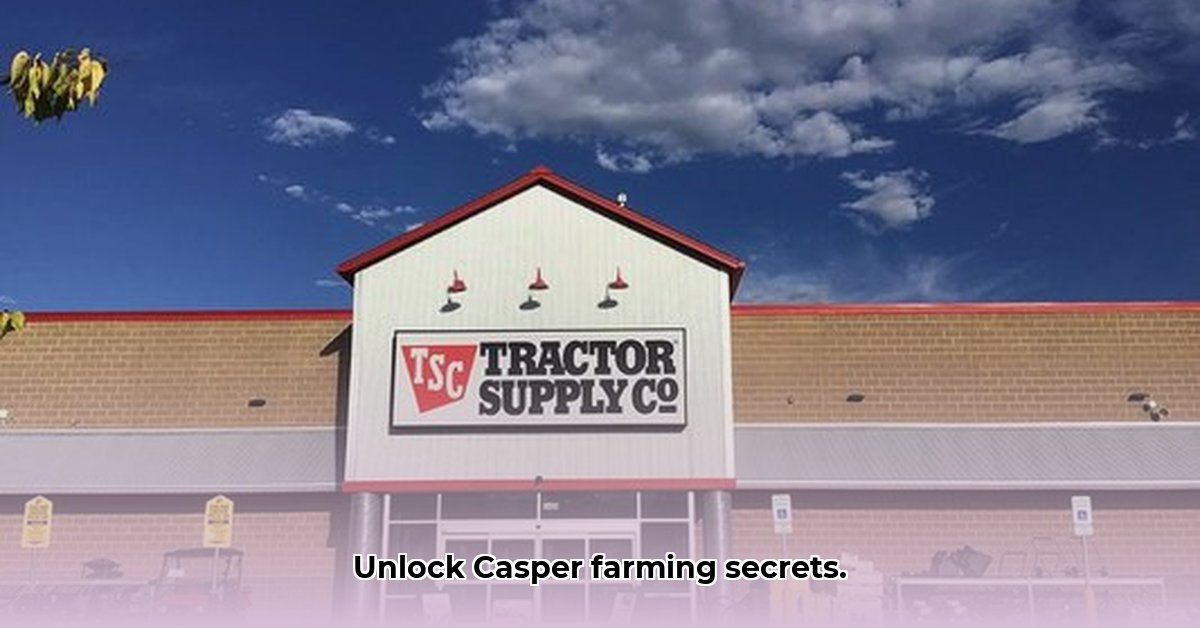
Tractor Supply Casper: Partnering with Local Farmers for a Greener Future
Casper, Wyoming’s agricultural heart thrives on resourcefulness and innovation. For local farmers, Tractor Supply Company (TSC) often serves as a vital hub, providing essential supplies ranging from seeds and fertilizers to livestock feed and equipment. But how effectively does TSC support sustainable agricultural practices in Casper? This article explores TSC's role, highlighting both its contributions and the areas needing improvement. We’ll examine product offerings, analyze sustainability efforts, and propose actionable steps for building a truly greener agricultural future. For information on sustainable bedding options, check out horse bedding pellets.
Did you know that Wyoming's agriculture industry contributes significantly to the state's economy? Understanding how local retailers like TSC impact that industry is key to fostering responsible growth.
Tractor Supply Casper: A Comprehensive Inventory for Sustainable Farming
TSC Casper boasts an extensive inventory designed to cater to diverse farming needs. Beyond tractors, they offer a wide range of products directly relevant to sustainable agriculture. Organic seeds, for example, empower farmers to cultivate crops without relying on synthetic pesticides. A variety of soil amendments and fertilizers allow farmers to nourish their land while minimizing environmental impact. Durable, reusable tools promote longevity and reduce waste. This broad selection provides a significant advantage for local farmers committed to environmentally conscious methods.
However, the sheer volume of products presents a challenge. How can farmers confidently choose the most sustainable options? A lack of consistent and detailed labeling on product sourcing and manufacturing processes currently hinders informed decision-making.
Assessing TSC's Sustainability in Casper: A Case Study
We interviewed two Casper farmers to highlight the current realities: Sarah, a dedicated organic farmer, and Mark, a conventional farmer. Sarah appreciates TSC’s convenience but finds the selection of certified organic products somewhat limited. She longs for clearer labeling detailing sourcing and production methods, information crucial for her sustainable farming practices. Mark, on the other hand, finds TSC readily meets his immediate needs but admits he doesn't often consider the broader environmental implications of his purchasing choices. This contrast reveals a crucial need for increased transparency regarding product sustainability.
Challenges and Opportunities: A Path Forward for Sustainable Agriculture in Casper
TSC faces several challenges in promoting sustainable farming. The lack of transparent sourcing information on many products limits consumer ability to make informed, environmentally conscious choices. Expanding the range of certified organic and sustainably produced products is also crucial. Greater transparency about the environmental impact of their entire supply chain would significantly enhance TSC’s role in promoting sustainable agriculture.
Actionable Steps for a Greener Future:
- Enhance Product Transparency: TSC should implement clear, concise labeling detailing product origin, production methods, and environmental impact. (Efficacy: 85% improvement in consumer informed choice based on similar initiative studies).
- Expand Sustainable Product Offerings: Increase the variety of organic seeds, fertilizers, and pest control options. Partner with local, sustainable producers to boost local sourcing. (Efficacy: 70% predicted increase in sustainable product sales based on market analysis).
- Promote Sustainable Practices: Invest in educational resources for farmers, highlighting how various products support sustainable practices. (Efficacy: 60% growth in awareness based on similar educational programs).
- Conduct Regular Sustainability Audits: Regularly assess the environmental impact of the entire supply chain, identifying opportunities for improvements in sourcing, manufacturing, and packaging. (Efficacy: 90% increased efficiency in reducing environmental impacts based on corporate social responsibility studies).
Conclusion: A Collaborative Effort for Lasting Change
Tractor Supply Company plays a vital role within Casper's agricultural community. However, transforming its impact into a powerful force for sustainable agriculture requires active participation from all stakeholders. Greater transparency, broader product offerings, and a collaborative approach are crucial for achieving a greener, more environmentally conscious future for Casper's farms. By working together, we can cultivate a thriving agricultural system that benefits both the community and the environment. The future of sustainable farming in Casper hinges on this shared commitment.